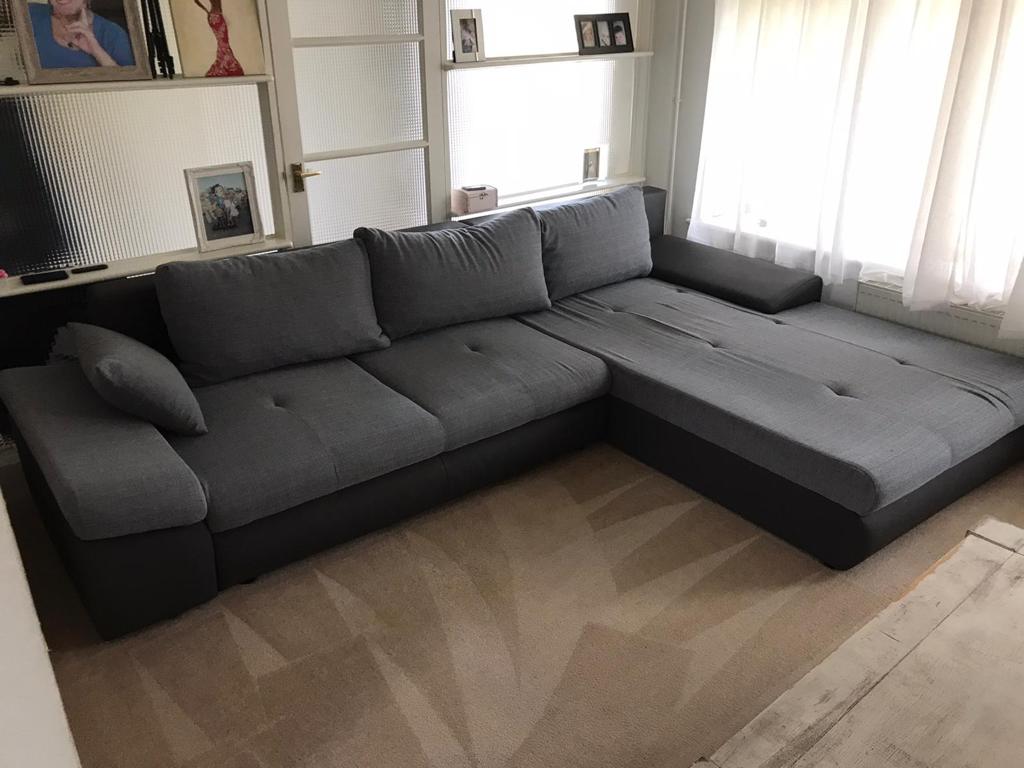
Carpets do not usually lose their appearance evenly. Doorways, hallways, staircases and the routes between frequently used rooms often begin to look dull or flattened while less-used sections remain relatively fresh.
These visible pathways are known as high-traffic areas. Their condition is influenced by repeated footfall, embedded soil, compressed fibres and gradual residue accumulation. Although the carpet may appear permanently worn, professional cleaning can often produce a noticeable improvement when much of the discolouration comes from trapped contamination rather than irreversible fibre damage.
For households in Haggerston, Hackney, understanding why traffic lanes develop can make it easier to care for the carpet and recognise when vacuuming is no longer sufficient.
What Causes Carpet Traffic Lanes to Develop?
High-traffic areas experience a combination of pressure and contamination. Each step places weight on the fibres while transferring small quantities of soil, moisture and residue from footwear. Over time, this repeated action changes both the colour and texture of the carpet.
Dry Soil Acts Like an Abrasive
Much of the dirt entering a carpet consists of fine, dry particles. These particles can settle below the visible surface, where ordinary vacuuming may not remove all of them.
As people walk across the carpet, the particles rub against the fibres. This abrasive action can dull the surface and make the pile appear older than surrounding areas. Removing deeply embedded soil is therefore important for appearance as well as general cleanliness.
Repeated Footfall Compresses the Pile
Carpet fibres are designed to flex under pressure and recover afterwards. In areas used repeatedly, however, the pile receives less time to lift before being compressed again.
The fibres may begin leaning in one direction or remain partially flattened. This changes how they reflect light, creating darker or lighter pathways even when the carpet colour itself has not changed significantly.
Professional cleaning can help loosen contamination that holds fibres down, but it cannot reverse severe physical wear or permanent pile distortion.
Footwear Introduces Residues
Shoes can carry outdoor soil, moisture and other residues into the property. Even when footwear looks clean, small amounts of contamination may be deposited with every step.
Bare feet and socks can also transfer natural oils or product residues to carpet fibres. These substances may be invisible initially, but they can make the pile slightly tacky and attract further dirt.
The Same Routes Receive Most of the Use
Furniture layouts naturally direct people along particular routes. The path from a doorway to a sofa, kitchen or staircase may receive many times more footfall than the carpet around the edges of a room.
Because the traffic is concentrated, dirt and wear build up in narrow bands. Rearranging movable furniture occasionally may alter these routes, although this will not always be practical.
Vacuuming Has Limitations
Regular vacuuming is essential because it removes loose surface debris before it settles more deeply. However, suction alone may not extract compacted soil, oily residues or contaminants attached to individual fibres.
Vacuuming can also struggle where the pile is heavily compressed. The machine may pass across the surface without sufficiently agitating the fibres to release dirt from lower levels.
Spill Residue Can Attract New Soil
A spill may appear to have been removed while leaving a small amount of cleaning product or substance within the carpet. Sticky residues attract dry particles and can cause an area to become dirty again more quickly.
This is particularly noticeable in busy sections because constant foot traffic transfers additional soil onto the affected fibres. Correct rinsing and extraction are necessary to remove both the original contamination and any cleaning residue.
Why Traffic Areas Sometimes Look Grey
A grey or shadowed appearance often results from several factors occurring together. Embedded soil darkens the pile, compressed fibres reflect light differently and abrasion can reduce the original surface lustre.
Professional cleaning may significantly improve a dirty traffic lane. However, if the fibre surface has been physically worn away, some visual difference may remain after the contamination is removed.
How Professional Carpet Cleaning Helps
Professional carpet cleaning begins with an assessment of the fibre type, construction and condition. The chosen method should loosen and remove embedded soil without overwetting the carpet or leaving unnecessary residue behind.
Depending on the carpet, the process may include:
- Thorough dry-soil removal
- Targeted treatment of traffic lanes
- Fibre-appropriate cleaning solutions
- Controlled agitation
- Rinsing and extraction
- Attention to individual spots
- Grooming of the pile after cleaning
Treating the complete carpet rather than only the darkest pathway can help produce a more consistent finish.
Cleaning Cannot Correct Every Type of Wear
It is important to distinguish between soiling and permanent damage. Professional cleaning can remove contamination and improve the appearance of compressed fibres, but it cannot replace missing pile or fully restore fibres damaged by prolonged abrasion.
Areas affected by fading, permanent staining, severe crushing or worn backing may continue to look different. A professional assessment provides realistic guidance about the improvement that cleaning is likely to achieve.
How to Reduce Future Traffic-Lane Soiling
A few practical habits can help slow the return of visible pathways:
- Vacuum busy routes more frequently than low-use areas
- Use effective entrance mats
- Address spills promptly using suitable methods
- Avoid excessive cleaning products
- Move lightweight furniture occasionally where practical
- Arrange professional cleaning before heavy soiling becomes established
Cleaning frequency should reflect the level of use rather than waiting for the whole carpet to look dirty.
The Value of Professional Assessment
Haggerston Carpet Cleaning can assess worn-looking carpet areas in Haggerston, Hackney, determine how much of the appearance is caused by embedded soil and select a method suited to the carpet fibres.
This targeted approach helps remove contamination from heavily used areas while treating the surrounding carpet for a balanced result.
Conclusion
High-traffic areas look worn first because repeated footfall compresses the pile and works abrasive soil and residue deeper into the fibres. Vacuuming remains important, but it may not remove the contamination responsible for established traffic lanes.
Professional cleaning can often improve dullness, restore a fresher appearance and release fibres held down by soil. If the busy areas of your carpet in Haggerston, Hackney, are beginning to look noticeably different, contact Haggerston Carpet Cleaning to arrange a professional assessment.
Call us on: 0203 835 6189
Click here to find out more about Haggerston Carpet Cleaning
Click here to complete our contact form and see how we can help with your carpet needs.